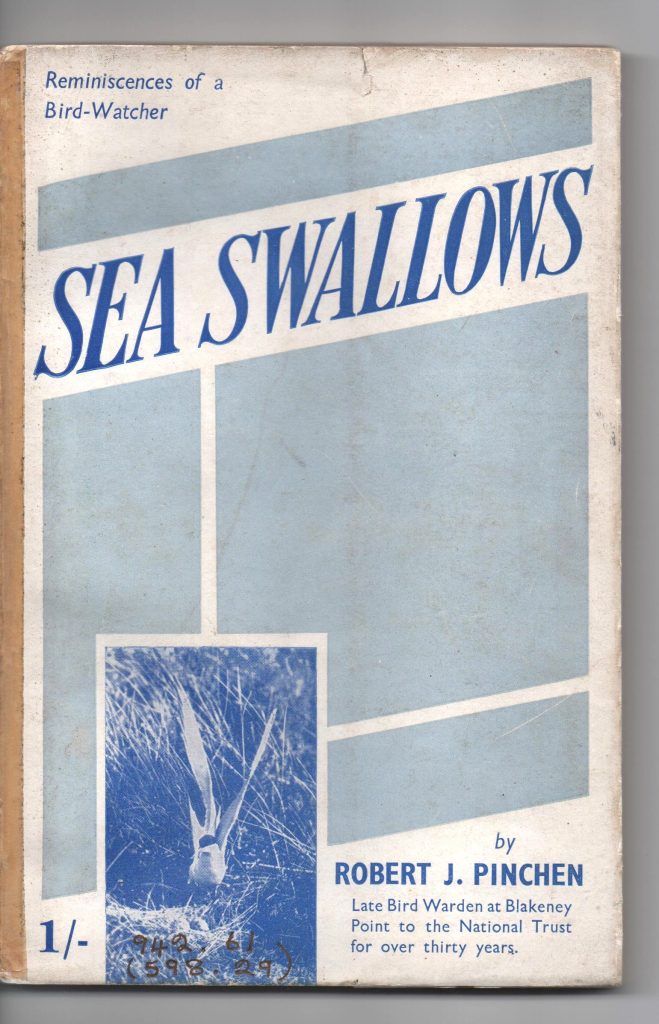
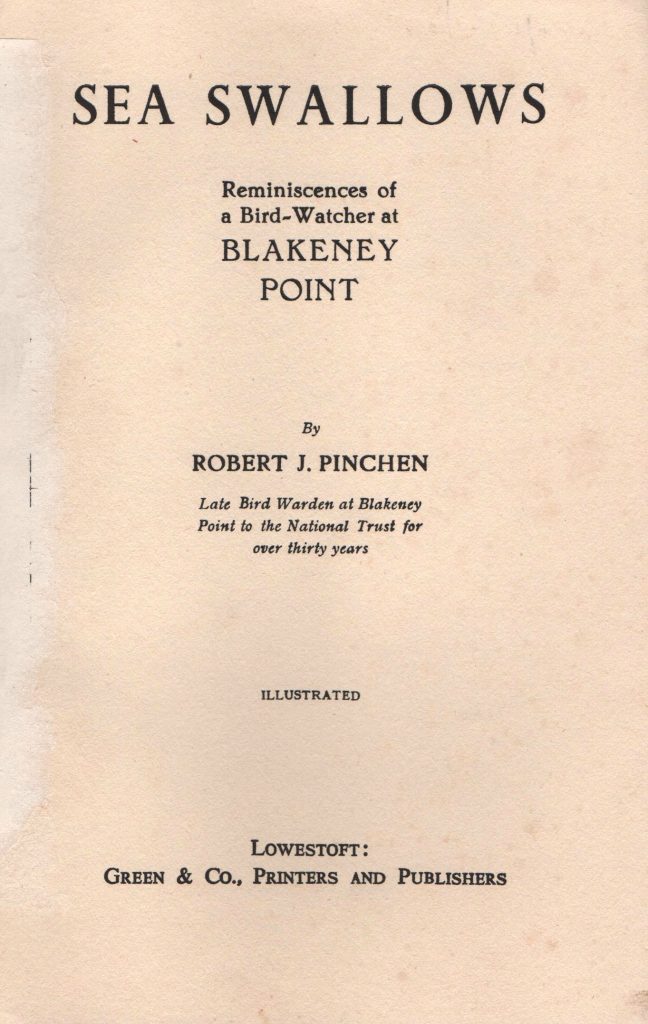
In 1901 an event of great importance took place at the Point came under formal protection as a bird sanctuary, and Bob Pinchen, former gunner and wildfowler, was appointed as the first breeding season Watcher under the auspices of the Blakeney and Cley Wild Bird Protection Society. His book Sea Swalllows, published in 1935, recounts the event.
Charles Hammond of Twyford Hall first mooted the idea of a bird sanctuary. He spoke to me on the subject and asked if I would like to become the Watcher. There being other aspirants, however, a meeting was held at Cley, at which I was appointed to act for ten weeks of each nesting season at the weekly wage of 15 Shillings.
Pinchen’s initial accommodation was a houseboat named ‘The Ark’ but later moved to the houseboat ‘Britannia’, moored off what is now know as ‘Pinchen’s Creek’, where he was to live for around twenty years. During his time at the Point, Bob caught several individuals taking eggs and shooting birds. He took them to court. One instance was in 1903, when at Holt Petty Sessions, Bob, on behalf of the Blakeney and Cley Wild Bird Protection Society, took four people to court and secured convictions on all of them. Under his protection, Oystercatchers started to breed in 1906, and the size and success of the tern colonies increased markedly, rapidly quadrupling in size. Sand Terns, now considered almost an emblem of the Point, only started breeding for the first time in 1920, although nests had been suspected in the 1890s.
In 1911 the Point was acquired by A. Crundall (along with other Norfolk property) on the death of its previous owner, Lord Calthorpe, and in 1912 Point was purchased by the National Trust. This purchase was facilitated by the enlightened efforts of Professor. F.W. (Francis Wall) Oliver, a keen field ecologist, Professor of Botany at University College of London, and followed a public appeal which led to the funds being committed by Charles Rothschild. as a consequence, the Point became the first bird sanctuary in Norfolk to be safeguarded by freehold purchase. By 1913, permission had been given for University College of London to construct the Laboratory building, which stands this day near the Plantation.
Bob Pinchen was employed as Warden by the new National Trust Executive Committee during the breeding seasons until 1921 when he became full-time. He recounts the following:-
‘I was offered a wholetime engagement but having at that time a wife and eight children dependent on me I had to refuse owing to the inadequacy of the remuneration. This, however, was increased to my satisfaction and I was duly installed in my work at Blakeney Point.’
In 1922 the National Trust purchased the Lifeboat House to provide accommodation for the Watcher and a tea-room for the increasing number of visitors ferried in from Blakeney and Morston. The Watch House was purched by the National Trust in 1930 and was subsequently leased to the Girl Guides Association. It is now operated by an independent local trust.
‘Bush-shooting’ was restricted by the Point’s closure during the 1914-1918 war and by the stationing of soldiers, and by 1925 the gunners’ heyday had well and truly passed. New wild bird protection legislation had been introduced the practice of taxidermy went into decline as bird-watching became ever more fashionable.
Bob’s Life
Robert James Pinchen, Born 1865 in Cley next the Sea, Norfolk, the first of 7 children born to Robert David Pinchen a Seaman and his wife Mary Ann Godby at 5 Years old, he was living with his Mother and Brother William at his grandfather’s James Godby’s house in Salthouse Road Cley, at 15 he is a Groom, Domestic Servant still with his Mother at Fairstead, Cley
image
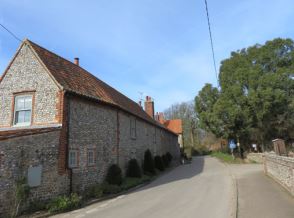
In 1885, Bob now working as a Sailor, married Alice Hart Plumbly Crowe at the Parish Church in Cley he was 20 and she 19 Years old, they went to live at High Street Cley Near Henry N Pashley naturalist and taxidermist, Bob had a lot of the birds shot by him and his Gunners stuffed by Henry
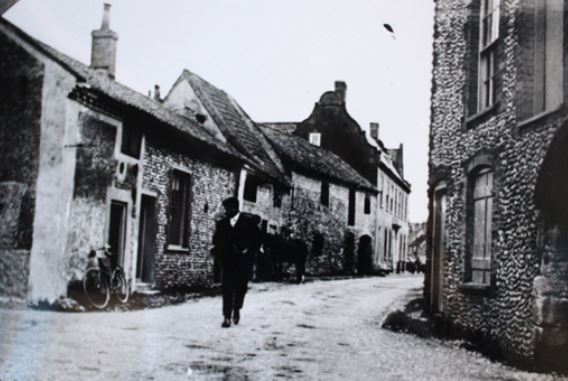
From 1890 to 1900, they were at Wright’s Yard, off the High Street
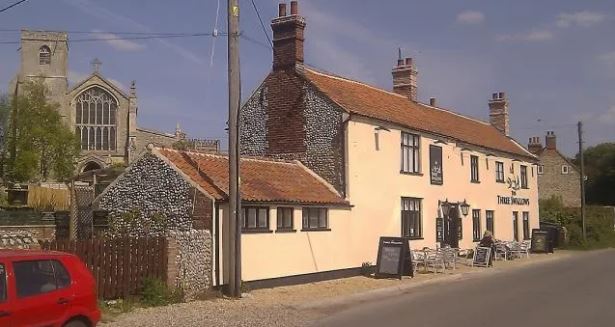
Later in 1901 they are at Newgate, Cley next to the Swallows Inn Bob is a Wildfowler with 3 children living with them
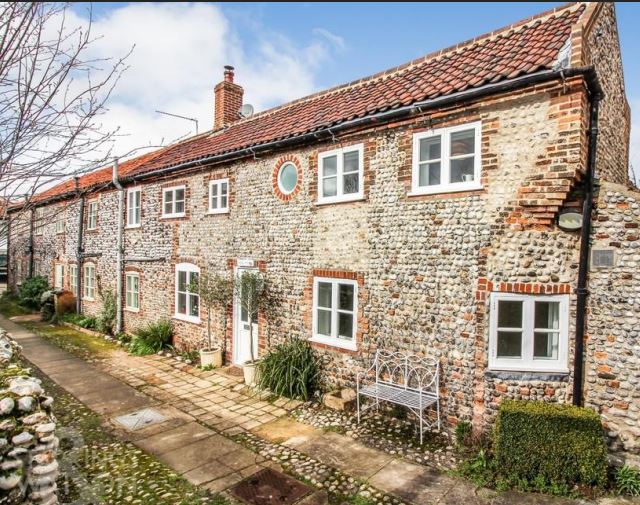
1911 they have moved again to Durrants Row, Cley. Bob has been the Watcher at Blakeney Point for 10 Years, Son Leonard and Daughter living with them. They spent the summer months living on one of two Houseboats, The Ark and later Britannia
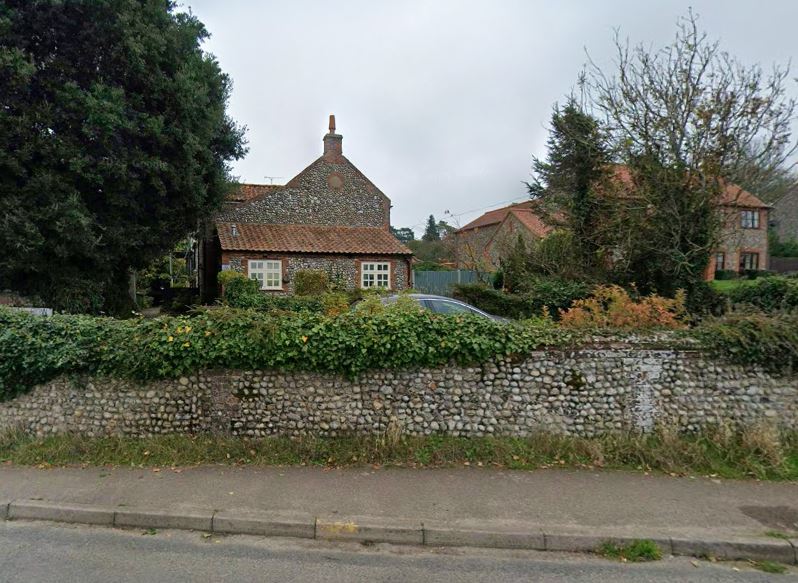
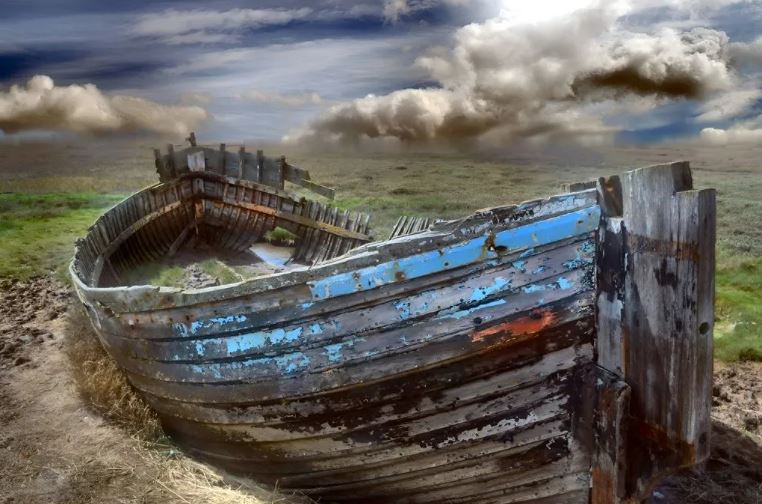
1911 Census shows Bob and Alice living on the Britannia
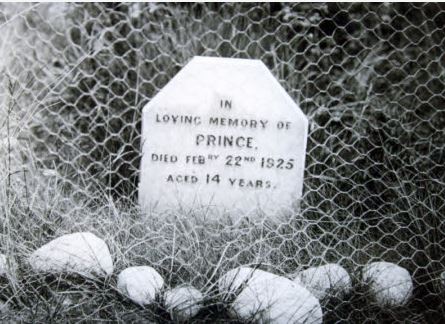
He Spent his time on the Point observing the birds and recording the movement at different times of the year of the Species, the main interest was the Terns, which increased in number under his management, working with his dogs Jock and Prince, who died on 22nd Feb 1925 aged 14
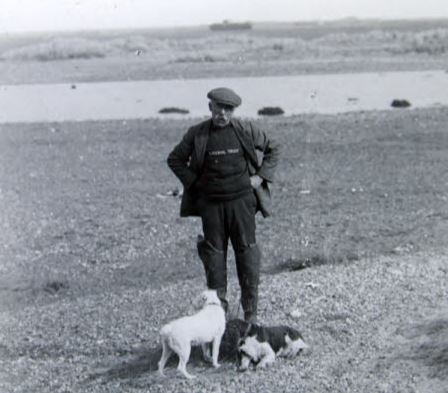
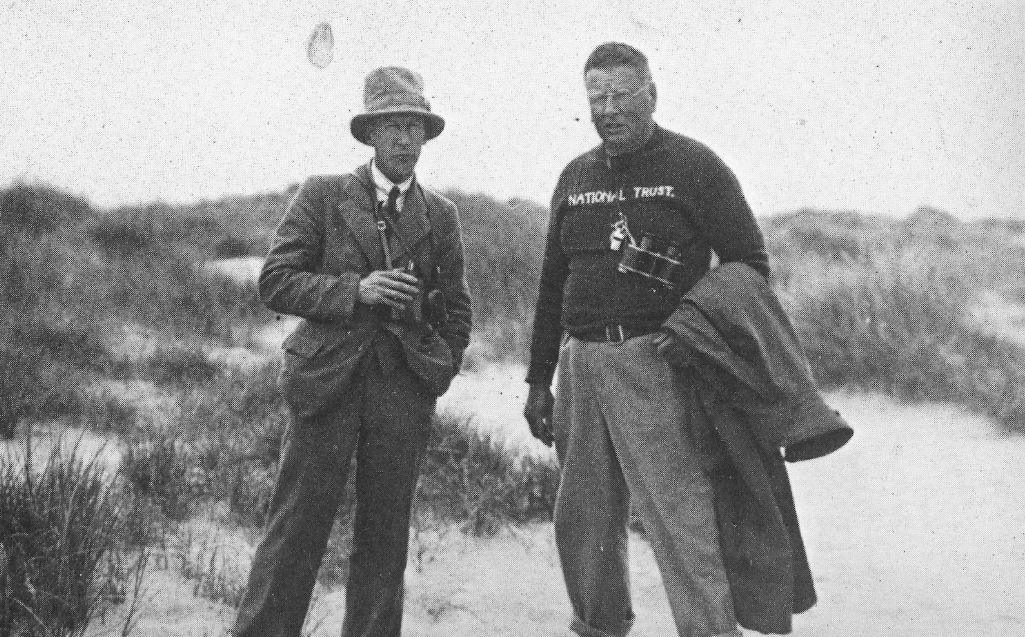
Professor Francis Wall Oliver Professor of Botany at University College of London, visited the point many times a year with students of the Collage
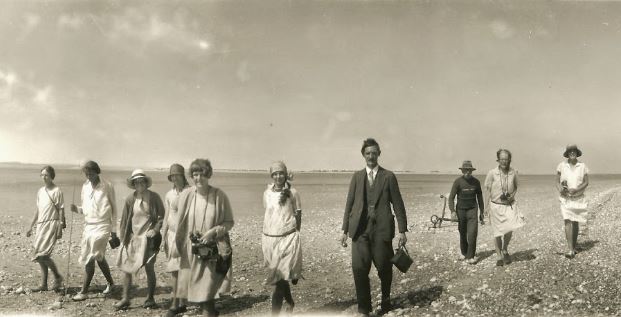
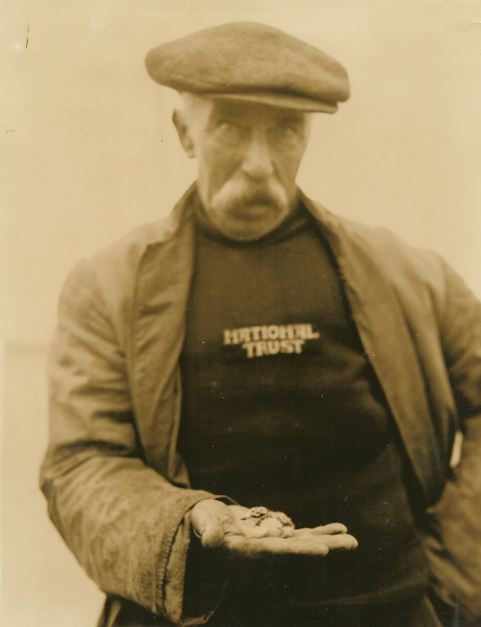
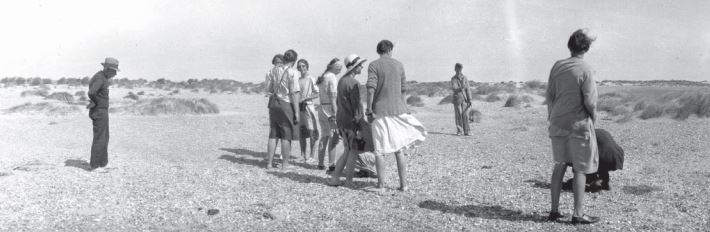
Bob on the far left, picture taken by Professor Oliver
Bob and Alice had 8 children
Eleanor Mott Pinchen Born 1886 died 1970 Farnborough, Kent
Agnes May Pinchen Born 1888
Lilian Pinchen Born 1889 Died 1891 Cley next the Sea
Valentine Harte Pinchen Born 1892 Died 1918 Flanders, Died fighting WW1
Leonard Pinchen Born 1892 Died 1898 Cley next the Sea
Ettie Maud Pinchen Born 1896 Died 1984 Worthing, Sussex
Leonard Pinchen Born 1905 Died 1996 Pietermaritzaburg, KwaZulu-Netal, South Africa.
Edith Lilian Pinchen Born 1907 Died 1984 Slough, Berkshire
When the Lifeboat House was purchased in 1922 they all moved in and Alice with her Daughter Edith ran the Café in the hut at the rear of the building
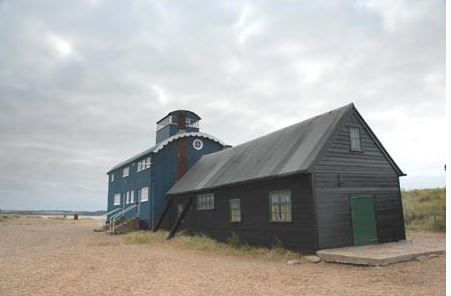
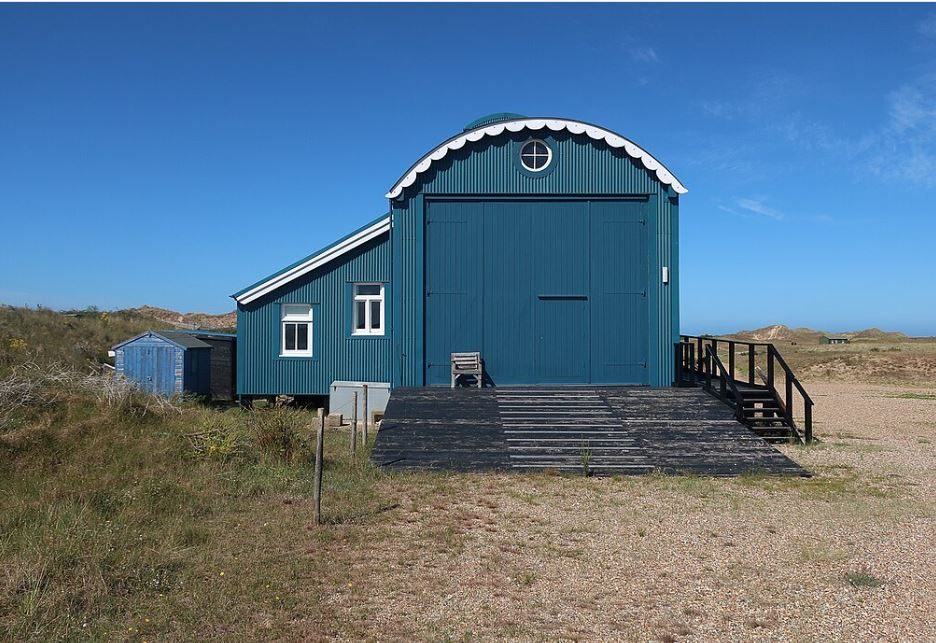
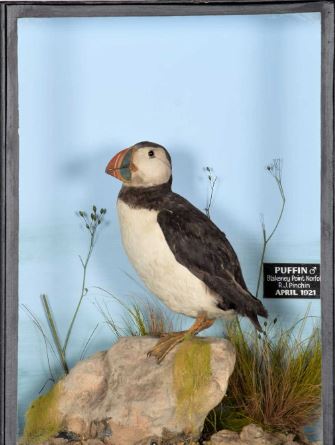
they all had plenty to keep them busy, freeing barrels of water from Blakeney Harbour, keeping the visitors fed in April 1921 Bob shot a Puffin on the Point it was stuffed and cased by E.C. Saunders, Taxidermy, Great Yarmouth
As well as supplying University College with information on the happenings at the Point, Bob sent details of his sightings to Magazines for Bird Watchers like the British Bird Journal, for example, in 1919, he sent in 7 reports which would have required it to have been written in a letter, and taken to Blakeney and posted.
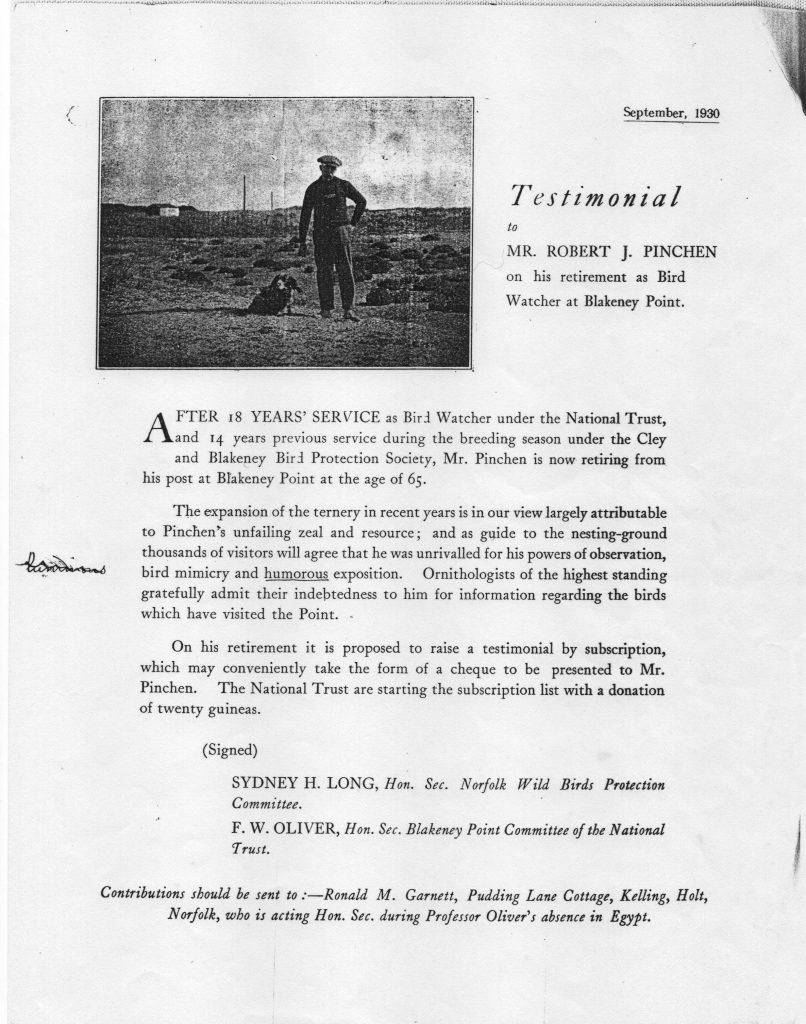
Bob Retires 1930
In 1930, the Point’s first “watcher”, Bob Pinchen, retired and was replaced by Billy Eales, who had assisted Pinchen the previous summer to “learn the job”
Testimonial from the National Trust on his retirement
Bob and Alice moved to a house in Beccles Road, Lowestoft, Suffolk.
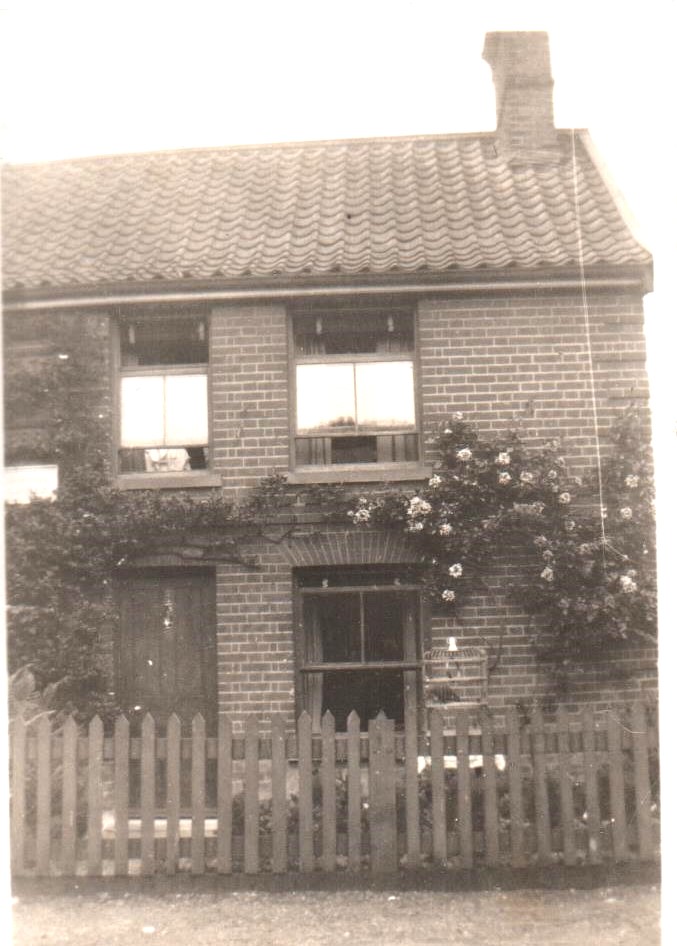
Whilst there Bob wrote a book, Sea Swallows Reminiscences of a Bird Watcher, published in 1934 You can read it by clicking on the Button on the Home Page
Bob and Alice had a quiet retirement
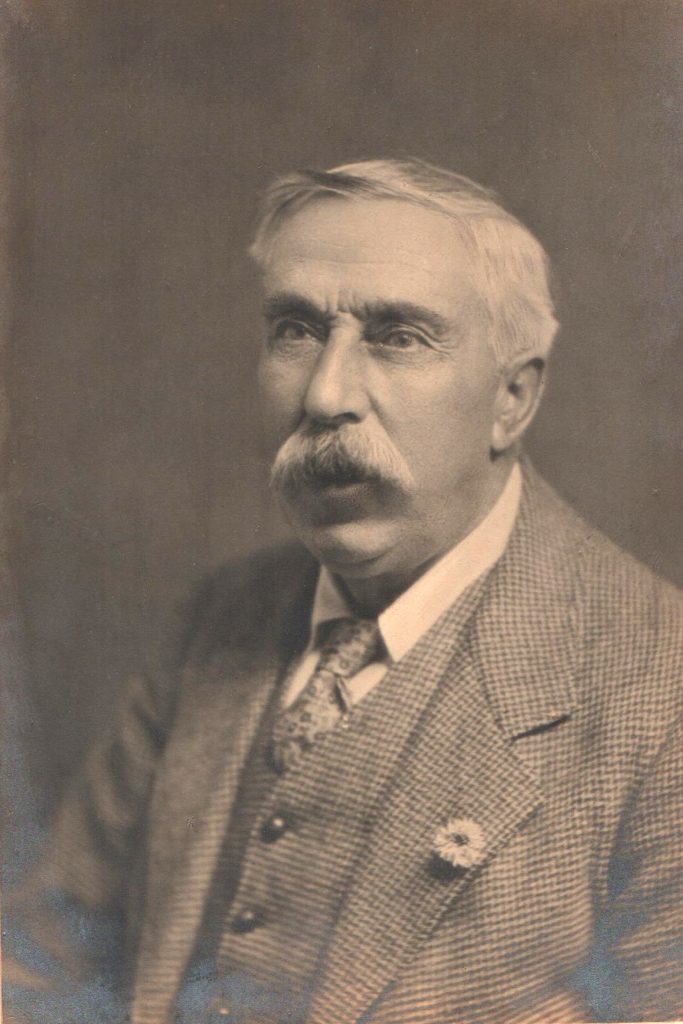
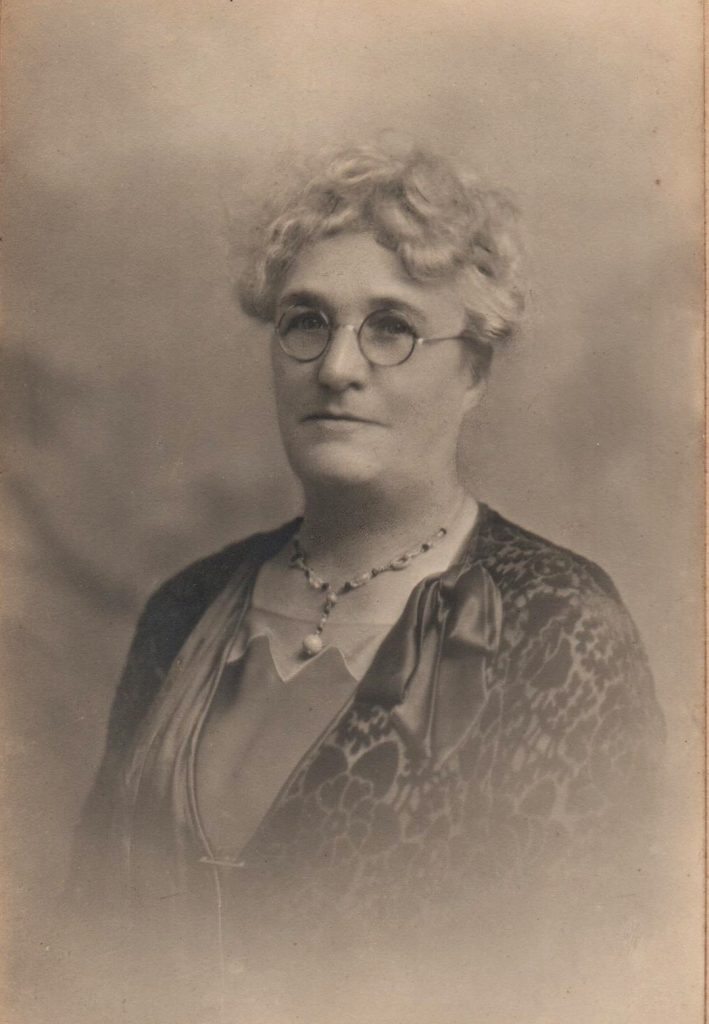
Bob Died on the 23rd of January 1943 aged 80 Years at Lowestoft and North Suffolk Hospital, Lowestoft, Suffolk, England.
Alice lived on her own and later her daughter, My Grandmother Eleanor Mott Barnes, moved in and looked after her. She was then admitted into Vale Hospital, Swainsthorpe, Norwich, Norfolk, where she died on the 2nd March 1964